The Delborough
Abuja
A Proposed Co-Venture with the National Council for Arts and Culture — bringing Nigeria's most acclaimed luxury hotel brand to the Federal Capital Territory.
Nigeria's Luxury Hospitality Gap Is a National Strategic Risk
Abuja hosts the African Development Bank headquarters, the Presidency, the National Assembly, the Supreme Court, and receives daily visits from global investors, heads of state, and international delegations. Yet Nigeria's capital lacks a truly iconic, independently owned Nigerian luxury hotel to match this stature and ambition.
Nigeria's tourism receipts represent a fraction of what the nation could earn. Rwanda — a country of 14 million people — earns $498 million annually from tourism. Morocco attracts 13 million international visitors per year. Ethiopia's new Marriott and Hilton properties have transformed Addis Ababa's conference economy. Nigeria can — and must — do better.
"When foreign dignitaries arrive in Abuja, the quality of their accommodation sends an unmistakable message about the ambition and capability of the Nigerian state."

Born in Lagos. Built for the World.
Ultimate Sophistication — Hospitality Redefined
The Delborough Lagos was conceived with a singular, uncompromising vision: to create a hospitality experience that rivals the finest hotels in the world — not by imitation, but by innovation. Designed by a team of seasoned architects, interior designers, and hospitality connoisseurs, The Delborough is Nigeria's most acclaimed independent luxury hotel, located in the heart of Victoria Island, Lagos.
Unlike international franchise brands that export profits abroad, The Delborough is proudly Nigerian — its revenues, its talent, and its cultural identity are rooted in Nigeria. Bringing this proven brand to Abuja is not merely a business proposition; it is a statement of national confidence.


An Unmatched Portfolio of Luxury Experiences


The Verdict Is Unanimous: The Delborough Delivers
Abuja Demands a Hotel Worthy of Its Ambition
Nigeria's Federal Capital Territory is the political, diplomatic, and administrative heart of Africa's most populous nation. It hosts the Presidency, the National Assembly, the Supreme Court, the African Development Bank headquarters, and the diplomatic missions of over 100 countries. Yet Abuja lacks a truly iconic, independently owned Nigerian luxury hotel.
The Delborough Abuja Is the Renewed Hope Initiative in Action
"Tourism is not a luxury; it is a necessity for economic growth, job creation, and the projection of our national identity to the world. Nigeria has everything it takes to become Africa's premier tourism destination — and we must act now."
Directly Delivering on Hon. Hannatu Musa Musawa's Vision
The Honourable Minister of Tourism, Arts and Culture has articulated three strategic pillars for Nigeria's creative and tourism economy. The Delborough Abuja delivers on all three simultaneously.
The Numbers Tell a Compelling Story
Governments That Got It Right
The model of government-owned land leased to private hospitality operators on long-term leases is not new. It is, in fact, the defining strategy behind some of the world's most celebrated tourism transformations. Every case below began with a government decision to treat its land as a strategic asset — not a liability.


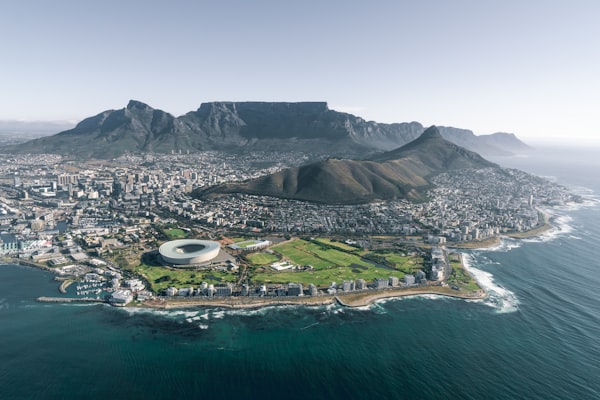
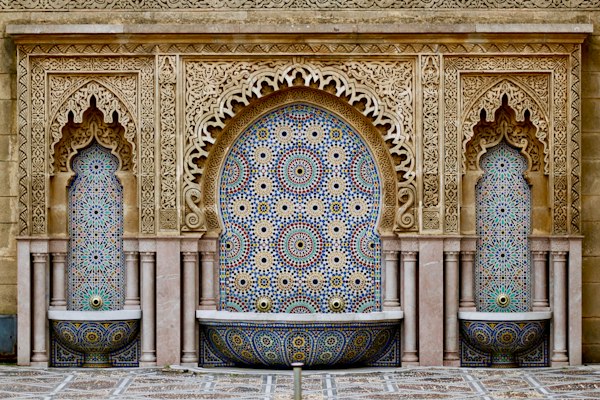

Global Precedents at a Glance
| Country | Project | Lease Term | Govt. Capital | Key Outcome |
|---|---|---|---|---|
| Singapore | Sentosa Integrated Resort | 30–60 years | Land only | 19M visitors/yr, 4% GDP |
| Dubai | Palm Jumeirah Hotels | 99 years | Land only | 11.5% GDP from tourism |
| Rwanda | Kigali Convention Centre | 50 years | Land only | $498M annual tourism revenue |
| South Africa | Durban Beachfront | 50 years | ₦0 | R1B private investment, 2,000 jobs |
| Morocco | Plan Azur Resorts | Long-term concession | Land only | 13M+ visitors/yr, 6.7% GDP |
| Kenya | National Parks Lodges | 25–45 years | Land only | 10.4% GDP, $50M+ lease income |
| Nigeria (Proposed) | The Delborough Abuja | 30+30 years | ₦0 | 1,500+ jobs, $50M FX, ₦25B GDP |
A Deal Structured for Mutual Prosperity
Subject to detailed negotiation and agreement
| Parties | The Delborough (Developer & Operator) + National Council for Arts and Culture (Landowner) |
| Project | The Delborough Abuja — Five-Star Luxury Hotel within the Arts Village Precinct, Abuja FCT |
| Land Lease Term | 30 years, with an option to renew for a further 30 years |
| Lease Consideration | Annual fixed lease fee (to be negotiated) plus a revenue share arrangement |
| Development Cost | Fully funded by The Delborough — zero capital contribution required from NCAC or the Federal Government |
| Construction Timeline | 24–36 months from financial close and regulatory approvals |
| Local Content | Minimum 70% local procurement; minimum 80% Nigerian workforce at all levels |
| Cultural Integration | Dedicated gallery and performance spaces for Nigerian artists within the hotel |
| Training & Employment | Structured hospitality training programme for Nigerian graduates and young professionals |
| Asset Reversion | All improvements and structures revert to NCAC / Federal Government at the end of the lease term |
| Governance | Joint oversight committee with NCAC representation to ensure compliance with all commitments |

The Honourable Minister of Tourism, Arts and Culture
Federal Republic of Nigeria
February 2026